PHSR Checklist: Ontario Pre-Start Health and Safety Review

PHSR Checklist at a Glance
- Equipment name and description
- Manufacturer and model
- Equipment specifications
- Equipment location
- Description of the intended operation
- Description of any modifications
- Equipment drawings and layouts
- Electrical drawings, where applicable
- Mechanical drawings, where applicable
- Control-system information
- Manufacturer manuals and documentation
- Existing safeguarding information
- Applicable operating procedures
- Information about the workplace and surrounding equipment
- Details of dust, combustible materials, flammable liquids or other relevant hazards
- Information about previous assessments or reports
- Target installation and startup dates
Contact Us
1. Project Information Checklist
- What equipment is being installed or modified?
- What is the equipment used for?
- Where will it be installed?
- Who owns or operates the equipment?
- What workplace will it operate in?
- Is this new equipment, existing equipment, or modified equipment?
- Is the equipment being relocated?
- Is the equipment part of a larger production line or process?
- What is the planned installation date?
- What is the planned startup date?
2. Equipment Information Checklist
Equipment Identification
- Manufacturer
- Model number
- Serial number, if available
- Equipment type
- Year of manufacture, if known
- Capacity or operating specifications
- Power requirements
- Operating speed or pressure, where applicable
- Intended operating conditions
Equipment Documentation
- Manufacturer's manual
- Installation instructions
- Operating instructions
- Maintenance instructions
- Technical specifications
- Equipment drawings
- Parts documentation
- Manufacturer safety information
- Existing conformity or certification documentation
For more information, see PHSR Exemptions.
3. New Equipment Checklist
- Is the equipment newly purchased?
- Is it being installed for the first time at this workplace?
- Is it replacing existing equipment?
- Is it being integrated with other machinery?
- Will it connect to existing electrical systems?
- Will it connect to existing mechanical systems?
- Will it connect to existing controls?
- Will it affect existing production processes?
- Has the installation location been finalized?
- Has the equipment been commissioned yet?
Contact Us
4. Modified Equipment Checklist
- What components are being changed?
- What components are being added?
- What components are being removed?
- Has the machine’s function changed?
- Has the operating speed changed?
- Has the capacity changed?
- Has the control system changed?
- Has safeguarding changed?
- Has the electrical system changed?
- Has the mechanical system changed?
- Has the machine been integrated with other equipment?
- Have operating procedures changed?
5. Machinery Safeguarding Checklist
- Guards
- Interlocks
- Safety switches
- Emergency stops
- Light curtains
- Presence-sensing devices
- Safety mats
- Restricted access areas
- Barriers
- Guarding around moving parts
- Access points
- Lockout/tagout provisions
- Safety-control functions
- Moving components
- Rotating machinery
- Pinch points
- Crush points
- Shear points
- Cutting hazards
- Entanglement hazards
- Unexpected startup
- Stored energy

6. Electrical and Controls Checklist
- Electrical drawings
- Single-line diagrams, where applicable
- Control schematics
- Panel drawings
- Motor information
- Disconnect information
- Emergency-stop circuits
- Safety-control circuits
- PLC information
- HMI information
- Sensor information
- Interlock information
- Control-system documentation
- Equipment electrical specifications
Contact Us
7. Mechanical Systems Checklist
- Mechanical drawings
- Equipment layout
- Piping
- Ductwork
- Fans
- Pumps
- Valves
- Pressure systems
- Ventilation
- Exhaust systems
- Connections to existing systems
- Mechanical safeguards
- Operating conditions
8. Dust and Combustible-Dust Checklist
Material being processed
Type of dust generated
Dust collection system
Dust collector location
Ductwork
Airflow information
Filtration equipment
Exhaust arrangements
Dust accumulation areas
Existing controls
Dust-generating equipment
Existing dust hazard assessments, if available
Explosion protection measures, where applicable
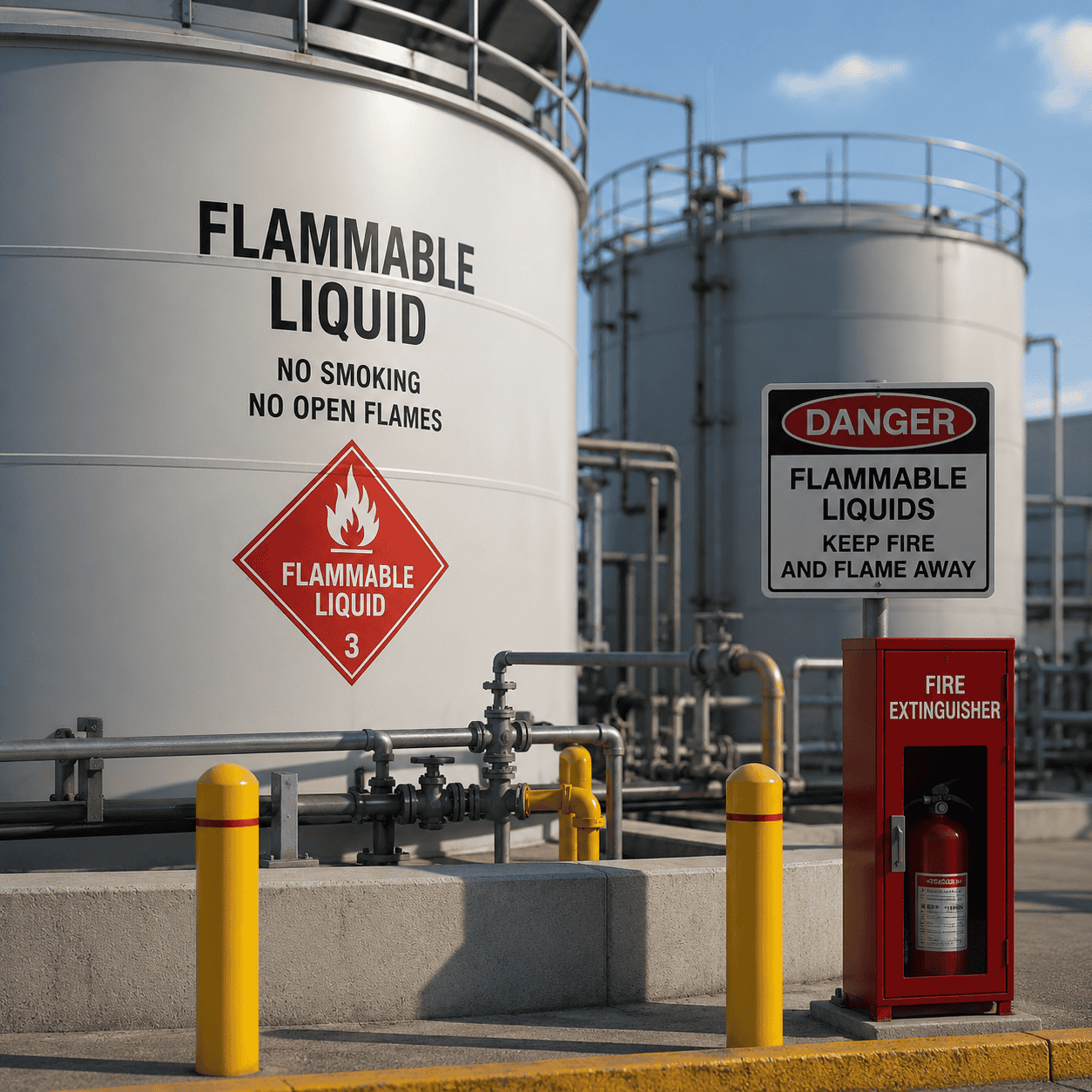
9. Flammable Liquids and Process Hazards Checklist
- Flammable liquids
- Combustible materials
- Solvents
- Gases
- Vapours
- High temperatures
- Pressure
- Ignition sources
- Chemical processing
- Storage systems
- Transfer systems
The presence of a particular material does not, by itself, establish that a PHSR is required. The project needs to be evaluated in context.
10. Production Line and Integrated Equipment Checklist
- All connected machines
- Material flow
- Worker access points
- Transfer points
- Conveyors
- Automated systems
- Robots
- Sensors
- Interlocks
- Emergency stops
- Shared control systems
- Upstream equipment
- Downstream equipment
- Changes to the overall process
11. Drawings and Site Information Checklist
Site plan
Floor plan
Equipment layout
Equipment drawings
Assembly drawings
Electrical drawings
Mechanical drawings
Control drawings
Piping and instrumentation diagrams, where applicable
Photographs of existing equipment
Photographs of the installation area
12. Existing Reports and Compliance Documentation
- Previous PHSR reports
- Engineering reports
- Inspection reports
- Risk assessments
- Hazard assessments
- Equipment certification
- Manufacturer documentation
- Previous deficiency lists
- Corrective-action records
- Maintenance records
- Commissioning documentation
Contact Us
13. PHSR Site Assessment Checklist
- Equipment
- Equipment operators
- Maintenance personnel
- Control panels
- Safeguarding
- Electrical equipment
- Mechanical systems
- Related production equipment
- Installation area
- Relevant documentation
14. Before the PHSR: Project Readiness Checklist
- Equipment scope is clearly defined
- Installation location is known
- Equipment documentation is available
- Drawings are available
- Modifications have been documented
- Relevant personnel are identified
- Site access has been arranged
- Applicable project deadlines are known
- Equipment has not been put into operation prematurely
- Known deficiencies have been identified
- Previous reports have been collected

15. What Happens After the PHSR?
The checklist does not end when the engineer completes the assessment. A typical process moves through several stages:
For the complete explanation, visit The PHSR Process.
01 — Initial Consultation
The project, equipment and circumstances are discussed to establish the appropriate scope.
02 — Site Assessment and Information Gathering
The engineer reviews the equipment, installation and relevant documentation.
03 — Engineering Analysis
The equipment and applicable requirements are analyzed, including relevant safety and technical considerations.
04 — Reporting and Ongoing Consulting
The findings are documented and recommendations or required corrective actions are communicated. Engineering support may continue as deficiencies are addressed.
05 — Final Compliance
The objective is to resolve identified issues and achieve the appropriate final compliance outcome.
PHSR Checklist: Common Mistakes to Avoid
Waiting Until Equipment Is Installed
One of the most common project-management problems is waiting until equipment is installed or ready for startup before considering PHSR requirements.
Early consultation can give the project team more time to address potential issues.
Assuming Manufacturer Certification Is Enough
Manufacturer documentation can be valuable, but it does not automatically answer every Ontario PHSR question.
The equipment still needs to be evaluated in the context of the workplace and applicable requirements.
Treating a PHSR as a Simple Inspection
A PHSR is an engineering assessment. The process involves evaluating the equipment and applicable safety requirements, not simply looking for visible defects.
Failing to Document Modifications
Small changes to machinery can affect safeguarding, controls, operation or other safety considerations. Document modifications clearly.
Leaving Deficiencies Until Startup
If potential issues are discovered late in the project, correcting them can become more difficult and expensive.
Where possible, involve the engineer early.
What Information Do I Need to Start a PHSR?
At a minimum, be prepared to provide:
- What is the project?
- What equipment is involved?
- Where is it located?
- Is the equipment new or modified?
- When is installation or startup planned?
- How can we contact you?
Contact Us
Download or Use This PHSR Checklist
If you are missing some of the information above, do not wait to ask for help. An initial consultation can help determine what information is actually needed for your specific project.