PHSR Exemptions: When Is a PHSR Not Required in Ontario?

What Is a PHSR?
Contact Us
Are There PHSR Exemptions in Ontario?
- New
- Purchased from a reputable manufacturer
- Certified by the manufacturer
- Imported
- Previously used
- Similar to equipment already operating at the facility
- Installed by a qualified contractor
This distinction is particularly important when dealing with complex industrial installations.
When Might a PHSR Not Be Required?
What equipment, process, structure, or protective measure is being installed or modified?
Is it new, modified, relocated, or otherwise being changed?
What hazards are associated with the equipment or process?
What provisions of Ontario Regulation 851 apply?
Are there applicable requirements involving safeguarding, hazardous substances, combustible materials, or other specified hazards?
Has a previous PHSR been completed?
Has the equipment or process been changed since the previous review?
Are there additional Ontario, CSA, ANSI, NFPA, or other applicable standards that need to be considered?
Does Every New Machine Need a PHSR?
Contact Us
Does Manufacturer Certification Mean a PHSR Is Not Required?
A manufacturer may provide documentation demonstrating that equipment was designed, manufactured, or tested according to particular standards. That documentation can be valuable during a PHSR.
What About Imported Equipment?
Equipment manufactured outside Ontario may have been designed to comply with standards or regulations applicable in another jurisdiction. Those requirements may not be identical to Ontario’s workplace health and safety requirements.
- It has a CE marking.
- It was manufactured in the United States.
- It was previously operating in another country.
- It has documentation from the manufacturer.
- It was inspected before shipment.
What About Equipment That Has Already Been Reviewed?
- New safeguarding
- Changes to safety controls
- Modifications to machinery
- Changes to production processes
- New material-handling equipment
- Changes to combustible or hazardous materials
- Integration with new automated equipment
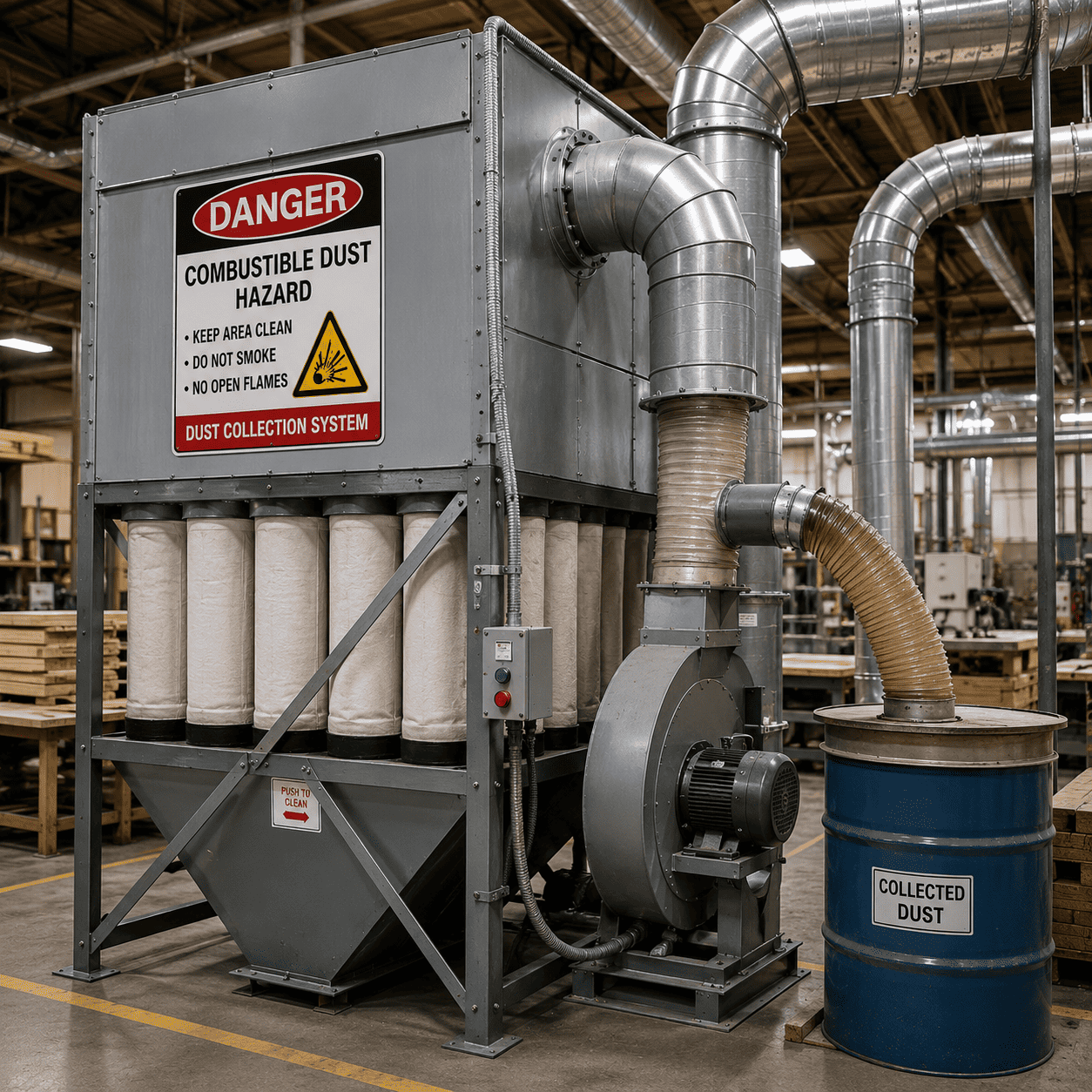
- Changes to dust collection systems
- Installation of new process equipment
Contact Us
Are Routine Repairs or Maintenance Exempt?
The nature and extent of the work matter.
- The machine’s function
- Its safeguarding
- Its control system
- Its operating parameters
- Its hazards
- Its integration with other equipment
PHSR Exemption Checklist
Equipment
What equipment or process is being installed?
Is it new, modified, relocated, or integrated with other equipment?
Safety
Does the equipment have safeguarding or safety-related controls?
Does the installation introduce new hazards?
Are hazardous or combustible materials involved?
Process
Is the equipment part of a larger production or automated process?
Has the process changed?
Documentation
Is there an existing PHSR?
Has the equipment changed since the previous review?
Is manufacturer or engineering documentation available?
Regulatory requirements
Does Ontario Regulation 851 apply to the installation?
Are there specific provisions that trigger a pre-start review?
Are additional standards relevant to the equipment or process?

What About Existing Equipment?
PHSRs are pre-start reviews, so the circumstances that existed when equipment was originally installed are important. However, an existing machine may subsequently be modified, upgraded, relocated, or incorporated into a new process.
A facility undergoing an expansion or production-line redesign should therefore review its PHSR obligations rather than assuming that existing equipment is outside the scope of consideration.
Combustible Dust and PHSR Requirements
- Wood dust
- Food products
- Agricultural materials
- Grain
- Certain chemicals
- Metal dust
- Pharmaceutical materials
PHSR-related work can also intersect with broader engineering considerations such as dust collection design, explosion protection, equipment integration, controls, and applicable standards.
This is one reason a simple “exempt/not exempt” approach can be misleading. The equipment should be considered as part of the overall process and workplace.
What Should You Do If You Are Unsure?
Useful documentation can include:
Equipment specifications
Process descriptions
Engineering drawings
Electrical schematics
Previous PHSRs
Control-system information
Previous inspection reports
Manufacturer information
Applicable certification documentation
Details of any modifications
Hazardous-material information
Installation drawings
Guarding details
Can an Employer Decide That a PHSR Is Not Required?
Contact Us
FAQs about PHSR Exemptions
Is there a complete list of PHSR exemptions in Ontario?
Does every new machine require a PHSR?
If my manufacturer says a PHSR is not required, do I still need one?
Does a CE or other certification exempt equipment from a PHSR?
Do modified machines need a new PHSR?
Can an engineer determine whether a PHSR is required?
What if I am still not sure whether I need a PHSR?
Why Getting the Decision Right Matters
Need Help Determining Whether You Need a PHSR?
PHSR.com provides specialized engineering assessment and compliance support for industrial equipment and processes in Ontario. The service is backed by Wintek Engineering, an established engineering company with experience dating back to 1994.
The broader engineering team includes experience with industrial equipment and Pre-Start Health and Safety Reviews, providing a strong technical foundation for evaluating equipment and workplace requirements.
If you are unsure whether your equipment requires a PHSR, contact PHSR.com before the equipment is put into operation. Providing a few basic details about your project, equipment, and location can help determine the appropriate next step.
Need to know whether your project requires a PHSR? Contact PHSR.com for an assessment.